From free shipping thresholds and restaurant app deals to streaming subscriptions and membership programs, businesses have plenty of strategies designed to make customers feel like they are saving money. The catch is that sometimes the best way to save is simply not to spend the extra money in the first place.
The Free Shipping Trap
One of the most common examples is free shipping.
Online retailers frequently offer free shipping when customers reach a certain spending threshold. A shopper might have $60 worth of items in their cart and see a message encouraging them to spend another $15 to qualify for free shipping on a $75 order.
At first glance, spending another $15 can feel like a smart financial decision. After all, the customer is getting an additional product without paying for shipping.
But the important question is whether the shipping would have actually cost $15.
In many cases, standard ground shipping might cost only $5 to $7. That means spending an additional $15 simply to avoid a smaller shipping charge does not actually save money. The customer has spent more money to feel like they saved money.
This is sometimes referred to as girl math, but the concept goes beyond the name. It is an example of how the way a deal is presented can influence a consumer’s perception of value.
The key is to ask whether the additional purchase was something you actually needed or wanted before the free-shipping offer appeared.
Deals That Encourage You to Spend More
The same psychology can be found in restaurant apps and other shopping platforms.
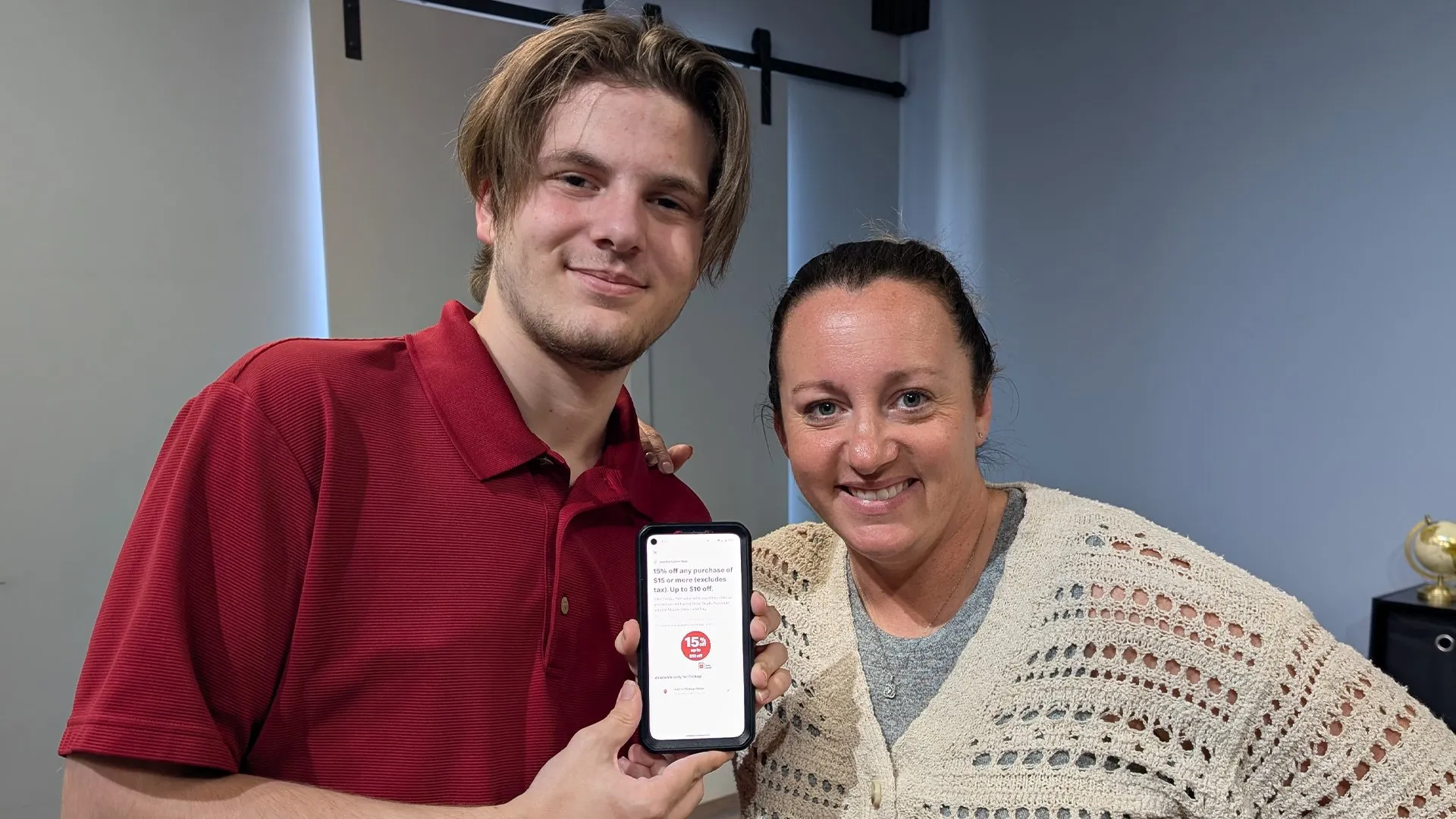
Fast-food apps, for example, frequently offer deals that require customers to purchase additional items to receive a discount or special offer. A promotion might bundle a drink and fries together or provide a percentage discount once an order reaches a certain dollar amount.
These deals can absolutely provide savings when the customer was already planning to purchase those items. However, if the promotion causes someone to add something they would not have otherwise purchased, the discount may not represent a true savings.
One way to test this is to compare the total cost of an order with and without the promotion.
Looking at the actual numbers can reveal whether the deal is saving money or simply encouraging a larger purchase.
Are Memberships Really Saving Money?
Subscription and membership programs can create another hidden cost.
Amazon Prime is one example. A membership provides benefits such as shipping and streaming, but the annual cost means consumers need to use those benefits enough to justify the expense.
If someone primarily uses Amazon during birthday and Christmas shopping seasons and only places a few orders throughout the year, it is worth calculating how much they would have spent on shipping without the membership.
If the annual membership costs more than the shipping savings and other benefits being used, the membership may not actually be saving money.
The same calculation can be applied to other subscription services.
The Streaming Service Problem
Streaming services were once an easy way for consumers to reduce entertainment costs. Replacing an expensive cable or satellite package with a handful of streaming subscriptions could produce significant savings.
But as the number of streaming platforms has grown, so has the potential cost.
Consumers can easily end up paying for several services at once, sometimes because they want access to only one particular show.
The solution is to regularly evaluate each subscription and determine whether it is being used enough to justify its monthly cost.
If a service is being kept for one show, it may be worth asking whether that show is worth paying an entire monthly subscription for.
Subscriptions can also be particularly easy to overlook because the charges are automatic and relatively small compared with larger household expenses. Several small recurring payments, however, can add up significantly over the course of a year.
Understanding Consumer Psychology
A major theme of this episode is the psychology behind consumer buying decisions.
Businesses understand that customers do not always make purchasing decisions based solely on price. The way a promotion is presented can influence how consumers perceive a deal.
Words such as free, save, discount, and reward can make an offer feel financially beneficial even when the customer is ultimately spending more money.
Understanding that psychology can help consumers make more intentional decisions.
This is also why studying consumer behavior can be valuable for anyone interested in business. Understanding why people buy what they buy is an important part of marketing, economics, and business strategy.
For consumers, that same knowledge can provide an advantage. Recognizing the tactics being used to encourage spending makes it easier to step back and determine whether a purchase is actually worthwhile.
Do the Math Before You Buy
The biggest takeaway from this episode of Cash and Coffee is simple: a deal is not necessarily a deal just because it says you are saving money.
Before adding another item to reach free shipping, accepting an app promotion, or keeping another subscription, take a moment to calculate the actual savings.
Ask yourself:
- Would I have purchased this item without the promotion?
- How much would shipping actually cost?
- Am I using this membership enough to justify the annual fee?
- How often do I use this streaming service?
- Am I saving money, or am I simply spending more to receive a discount?
Taking a few extra seconds to do the math can prevent unnecessary spending.
Cash and Coffee encourages consumers to look beyond the word free and focus on the total amount leaving their wallets. Sometimes the best way to save money is not finding a better deal. It is recognizing when you do not need the deal at all.
Cash and Coffee is produced by the Radar Free Press. The Radar Free Press is free to the public and relies on community support through likes, shares, and comments.
If you have any questions for recurring guests or episode ideas, please email us at alongtherock@theradar.online.