The project will be a collective effort involving the Galva Arts Council, Crossroads Cultural Connections, and a growing network of organizations, businesses, schools, artists, volunteers and residents. Rooted in Galva but regional in scope, the research will examine an interconnected music ecosystem reaching Cambridge, Bishop Hill, and surrounding communities.
Convened by the Center for Music Ecosystems, the international network helps small, rural and geographically isolated communities use music to advance economic development, tourism, education and civic life. Galva will receive dedicated research, expert feedback and knowledge from participating communities while contributing lessons from rural Illinois to the global network.
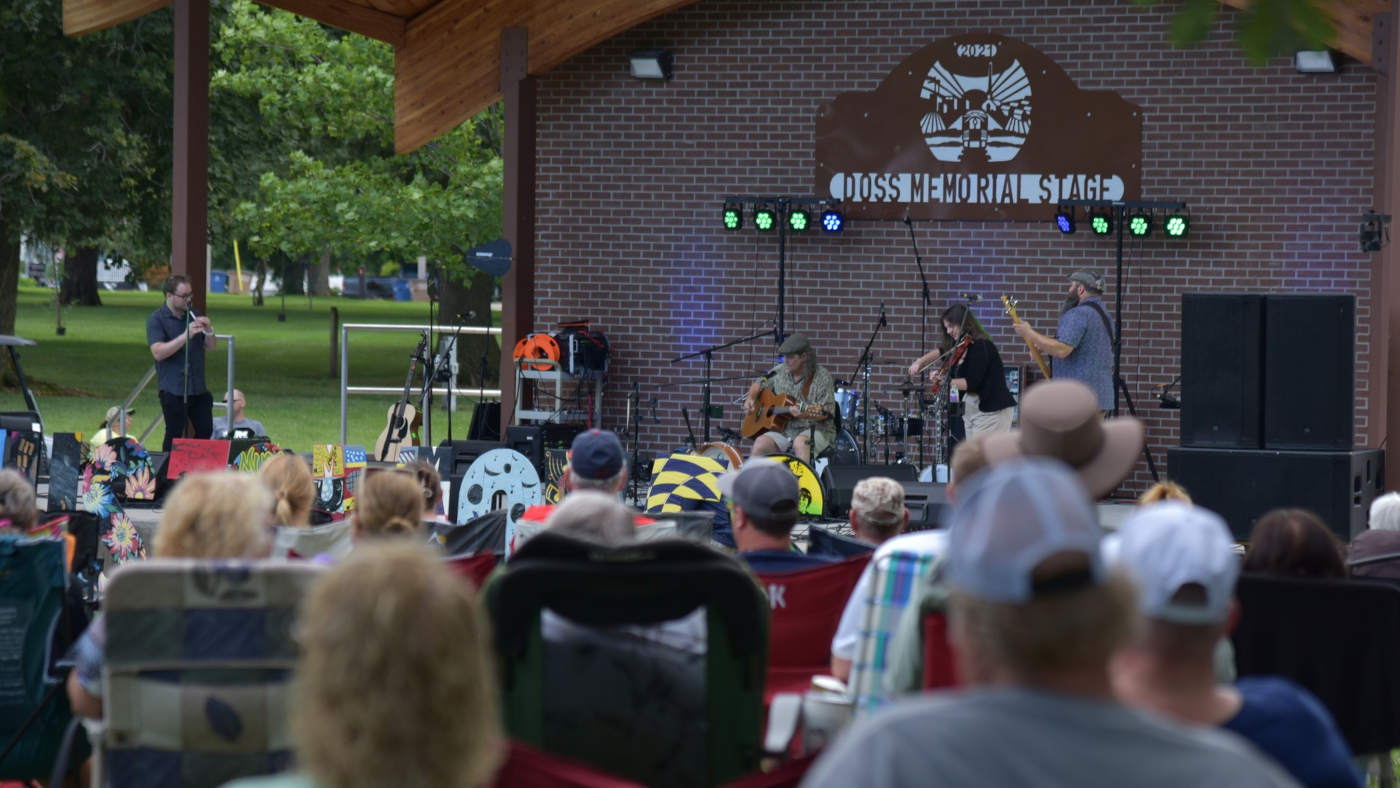
The project builds upon Galva’s previous MPRN research, which found that accessible live music has strengthened social connections, renewed volunteerism and helped establish the area as a destination for touring performers. The work’s influence can be seen in the transformation of Wiley Park, the permanent Doss Memorial Stage in Galva, a second community stage in Cambridge, visiting-artist programs in area schools and growing partnerships across Henry County.
“The local music scene is alive and well in Galva,” Levitt AMP Galva volunteer Carlin Follis said during the earlier research.
Independent promoter and music supporter Jerry Kolb described the larger opportunity as helping local residents “believe it is possible” and become active in their community.
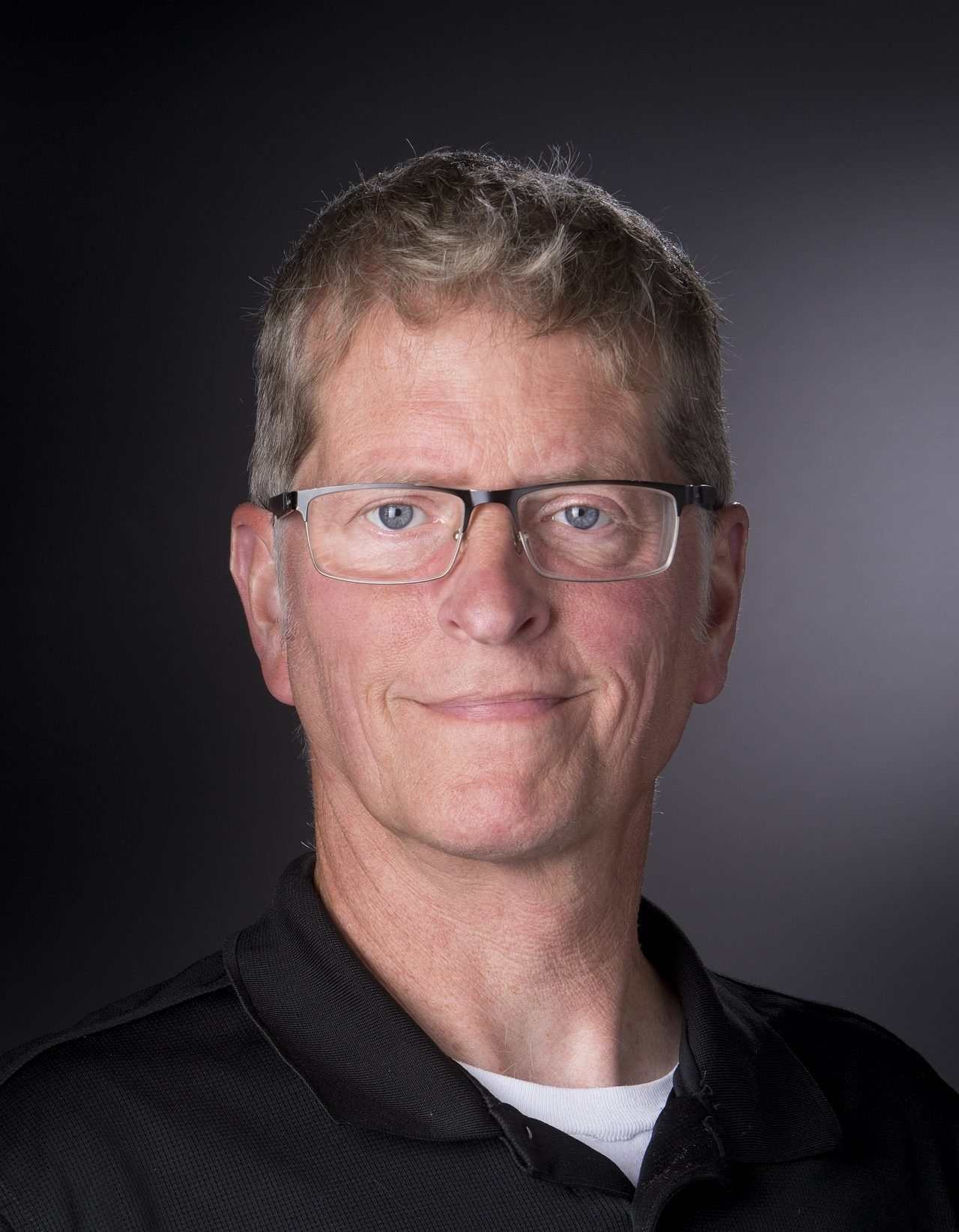
“People often describe rural communities in terms of what they lack. Our experience shows what becomes possible when people focus instead on what they can build together,” said John Taylor, president of the Levitt AMP Galva Music Series and Crossroads Cultural Connections.
He continues, “Year-round, world-class artists come to our rural communities to perform in intimate settings where there is little separation between artist and audience. International musicians stay in our homes, share meals at our tables and leave as friends. Students meet these artists who have built lives around creativity and begin to see possibilities for themselves that may never before have seemed within reach. This is not simply a vision for someday. It is the life we are already creating together.”
The impact is felt most strongly locally, but it travels much farther. Artists who visit Henry County continue performing across the country and around the world, carrying with them the hospitality, relationships and sense of community they experienced here.
“Every artist brings part of the world to us—their music, culture and perspective,” Taylor said. “In return, we send something back with them: the experience of being welcomed, cared for and treated as part of a community. The influence of those experiences may travel farther and have greater impact than we can ever measure.”
Galva’s recently adopted slogan, “Galva: Where Music Lives,” was proposed by local residents Michael and Jane Martin. The new research will help define how that identity can support Galva while contributing to a larger regional mission.
“Galva can be an anchor without being the boundary,” Taylor said. “Cambridge, Bishop Hill and neighboring communities each have their own histories, identities and strengths. Connecting those assets can create opportunities none of us could sustain alone and make the entire region a better place to live, work and visit.”
Building What Comes Next
Previous research also identified vulnerabilities, including dependence on a small number of organizers, the need for sustainable funding, limited rural transportation and visitor infrastructure, and opportunities to expand education, leadership development and regional cooperation.
Over the next year, the Center for Music Ecosystems will conduct interviews, surveys, focus groups, data analysis and international case-study research. The resulting public report will recommend practical ways to develop future leaders, strengthen financial sustainability, connect venues and communities, expand artist engagement and integrate music into tourism and community development.
Local representatives will also participate in six online masterclasses with international experts. Galva will learn from communities that have used MPRN research to support venue investment, accessibility, creative-economy planning and artist-focused policies.
The research will need perspectives from musicians, students, educators, businesses, venue operators, nonprofit organizations, public agencies, volunteers and residents throughout Henry County.
“The improbable is already happening here,” Taylor said. “Our opportunity now is to make it enduring—to build institutions from this momentum, develop volunteers into leaders, grow programs into traditions, and turn remarkable moments into opportunities future generations can inherit. This work will not reach its full potential by asking a few people to do more. It will happen when more people recognize that they have something valuable to offer and choose to help shape what comes next.”
Anyone interested in participating or receiving research updates may contact John Taylor at john@xroadscc.org
Galva’s previous MPRN findings are available at musicpolicynetwork.com/galva.