It is 48.6 feet tall with an average crown spread of 51 feet, and a circumference of 150.6-inch circumference (more than 12-feet around). The diameter of the trunk is 4 feet.
The tree is certainly a relic of the ornamental plantings around Ransom Sanitarium which was founded in 1887. It stood in the midst of eight acres adorned with fine shade trees, beautiful walks and drives. Nominated by Alan Branhagen, Executive Director of Natural Land Institute, he said, “The Ransom Sanitarium later became the Wilgus Sanitarium where the Natural Land Institute’s founder’s father, Egbert Fell, worked as the psychiatrist. NLI founder, George B. Fell lived there from age 7 to 16 and developed his environmental ethic from the site and his forays canoeing along the Rock River and hiking the prairies along Forest Hills Road.”
The site was described by the Rockford Morning Star in 1912 as “on a bend of the beautiful Rock River… in a virgin grove with living springs under great oaks, caressed by the sun and the breeze.” There is a memorial to the decedents of the founders of Ransom Sanitarium, Florence Ransom Nielsen and Arthur H. Nielsen, nearby this legacy tree. Wilgus Sanitarium was closed and torn down in the early 1950s.
Southern Catalpas were native at settlement to floodplain forests of Coastal Plain Rivers of Alabama, eastern Mississippi, western Georgia and the Florida panhandle and were beloved as ornamental trees in Victorian landscapes (along with the similar Northern or Western Catalpa, Catalpa speciosa, which is native to southern Illinois). Southern Catalpas are a sight to behold in flower, as showy white candelabras of flowers adorn the ends of each branch. The flowers are brush stroked with purple to guide pollinators to the nectar – the golden heart of the flower.
Southern Catalpas bloom after Northern Catalpas have dropped their flowers, usually in mid to late June. The flowers are smaller than Northern Catalpa but more are produced in each flower cluster. Pollinated flowers produce bean-like seedpods which decorate the tree into winter – Southern Catalpa’s pods are shorter than Northern’s and the whole tree is usually shorter and squatter whereas the more common Northern Catalpa is a very upright tree.
Both catalpas are very good nature trees, being the host plant of the Catalpa Sphinx (a hornworm beloved by fisherman as bait) and good plant for pollinators during their brief bloom when few others are blooming in June. With age they also have various tree cavities that are important roosting and nesting sites for Barred Owls or den sites for various animals. Southern Catalpas are outnumbered by Northern Catalpas 20 to 1, but both have naturalized in the region and are equally hardy. It is not known why these trees did not expand back north after the last Ice Age as they possess hardiness genes to grow throughout the Midwest. They are also mixed up in the nursery trade so you never know what you get until they flower.
Catalpa trees are considered messy (dropping flowers, big leaves in fall and seedpods all winter) and lost favor in landscape plantings post World War II – you almost never see one planted during the suburban sprawl era. They now have regained popularity as street tree plantings as urban foresters are replacing lost elm and ash trees with a more diverse planting to ensure against any future tree pandemics. “This tree is fully mature and very large for the species and I wish we could know all it has experienced. It is sheared on one side to prevent it from impacting power lines, but otherwise the tree may live for a long time. It is clearly a legacy of the Forest City,” said Branhagen.

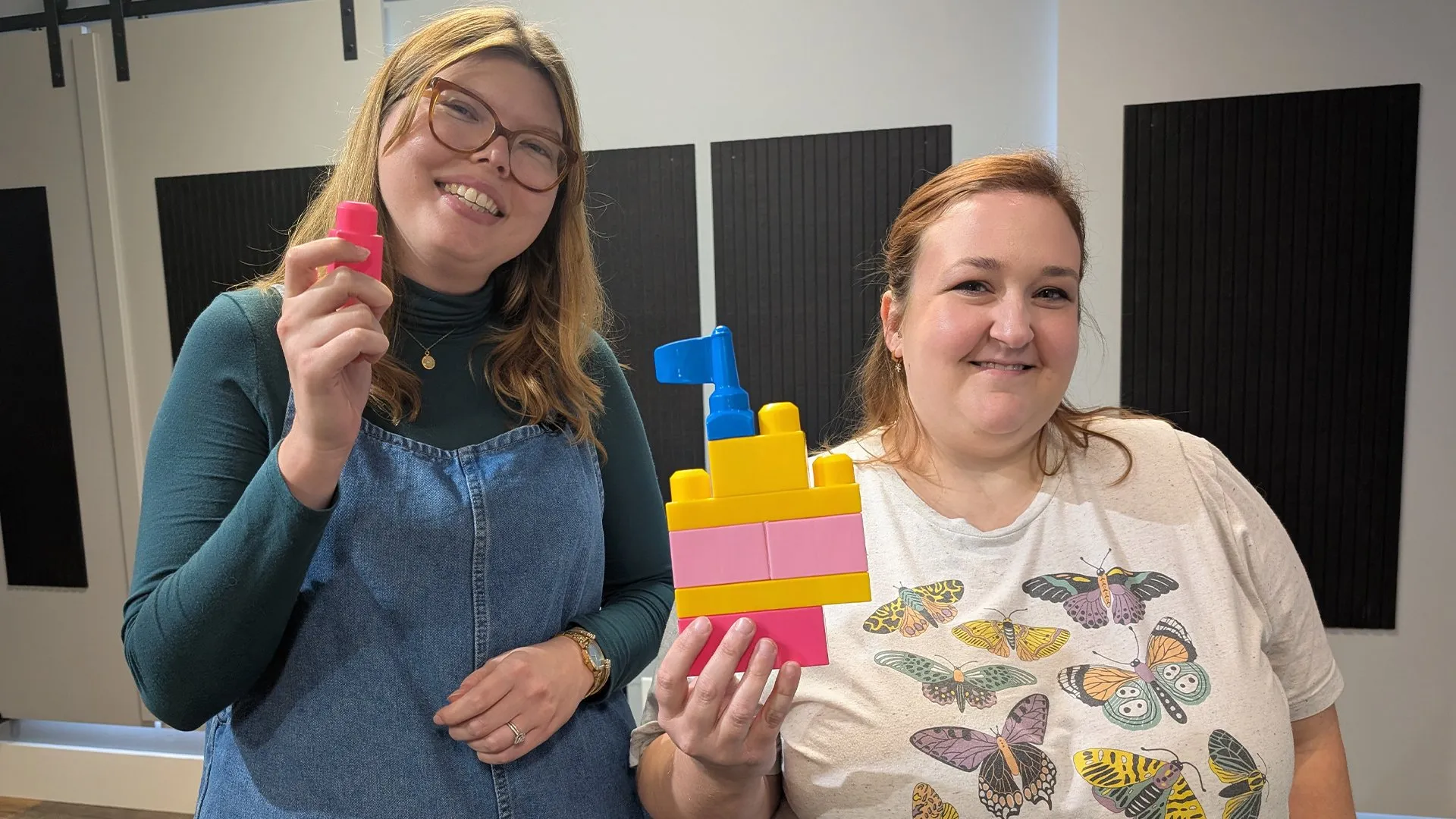
Alan Branhagen, NLI’s Executive Director.
Background Information:
Natural Land Institute launched the Legacy Tree Program in January 2024. Anyone may nominate a tree on private or public land from NLI’s 12 county region. To see monthly stories, for more information and a nomination form visit: https://www.naturalland.org/nlis-legacy-tree-program-january/ or call 815/964-6666. NLI, an accredited land trust, is a 501(c)3, not-for-profit land conservation organization based in Rockford, IL and has protected 19,000 acres of natural land in Illinois since 1958. NLI’s mission is to create an enduring legacy of natural land in northern Illinois for people, plants and animals. For more information and to donate, visit: www.NaturalLand.org.