However, Serenity Hospice and Home is working to change that perception by providing compassionate care, education, and support for patients and families throughout the end-of-life journey and beyond.
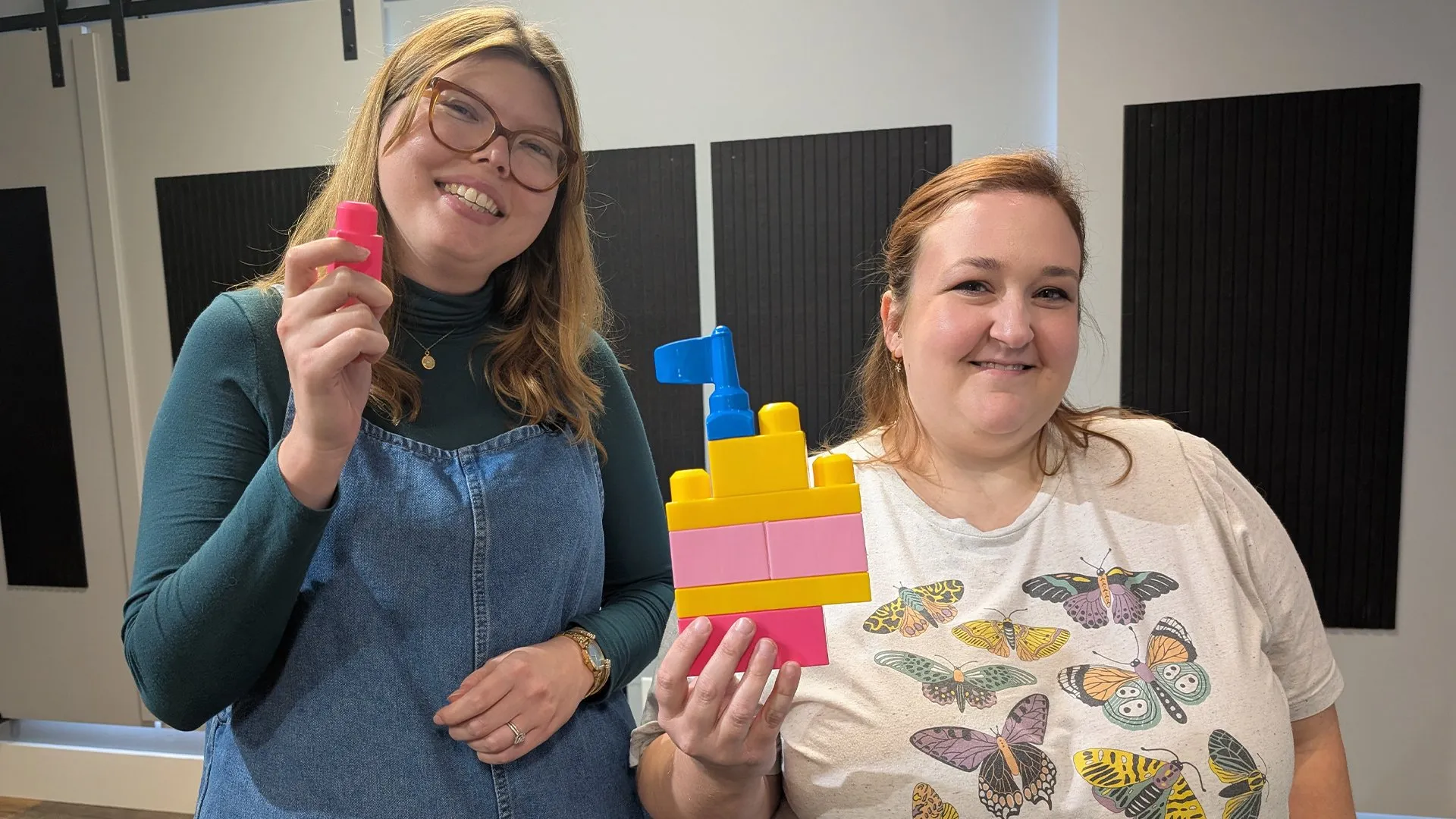
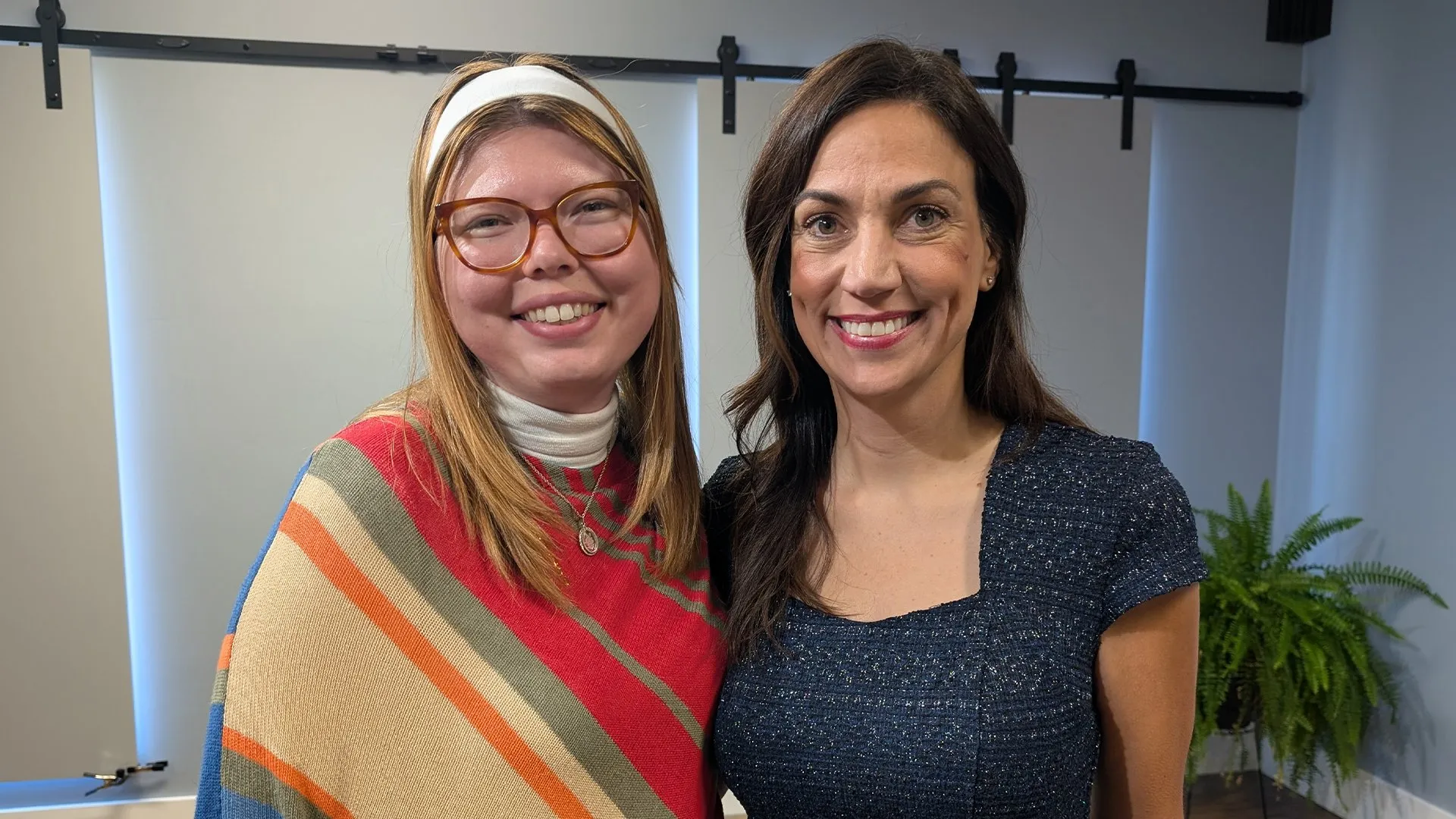
On this episode of Along the Rock, brought to you by the Radar Free Press, host Kierstyn Long welcomes Suzanne Ravlin, CEO of Serenity Hospice and Home, to discuss the organization’s mission, the services available to area residents, and the importance of making hospice care a conversation before a crisis occurs.
One of the biggest misconceptions surrounding hospice is that accepting services means someone is immediately approaching death. While hospice care is generally intended for individuals with a life expectancy of six months or less, Ravlin explained that this does not necessarily mean a patient will pass away within that timeframe. Some patients experience improvements in their conditions, successfully manage symptoms, and even graduate from hospice care.
At Serenity Hospice and Home, the focus is on providing dignity, comfort, and support while helping patients and their loved ones navigate difficult decisions. The organization encourages families to explore hospice services earlier rather than waiting until the final days of a loved one’s life.
Ravlin emphasized that Serenity provides around-the-clock support, with a live person available to answer calls at any hour. Whether a family needs assistance in the middle of the night or guidance through an unexpected medical situation, the team is there to help.
Another common misconception is that hospice patients must discontinue all medications. Ravlin explained that Serenity’s clinicians work directly with patients and families to understand their individual needs and determine the best approach to care. The organization also helps families understand available resources, including Medicare coverage for hospice services and durable medical equipment such as hospital beds and shower chairs.
As an independent nonprofit organization, Serenity Hospice and Home takes pride in serving its neighbors and making decisions with the needs of the local community in mind.
More Than Hospice: Support Throughout the Healthcare Journey
Serenity Hospice and Home offers more than traditional hospice services. Its palliative care program provides supportive care for individuals living with serious or chronic illnesses, helping patients manage symptoms and improve their quality of life.
The program, which began in 2018, serves individuals who may not yet qualify for hospice but could benefit from additional medical and social support. Patients with conditions such as dementia, cancer, or other chronic illnesses may benefit from having Serenity’s palliative care team involved in their care.
The team visits patients in their homes and looks beyond their medical diagnoses to understand their everyday challenges. Even something as simple as looking inside a patient’s refrigerator can help identify concerns about nutrition, food access, finances, or the ability to leave home.
By addressing these needs early, Serenity can build relationships with patients and families and provide support as their healthcare needs change.
The organization also offers social services, grief support, and bereavement resources. These services are not limited to Serenity patients or their families. Community members experiencing grief and loss can also access support.
Ravlin explained that grief can begin long before someone passes away. A serious diagnosis can bring its own feelings of loss, uncertainty, and emotional challenges. Serenity works to connect individuals with others experiencing similar situations while providing opportunities for meaningful conversations and support.
The organization also offers resources for children experiencing grief, including special care packages, and may work with schools when a loss affects students or staff members.
Education and Specialized Care for Patients and Families
Education is another important part of Serenity’s mission. As more people experience dementia-related diagnoses, the organization is investing in immersive dementia training to help caregivers, family members, staff, volunteers, and long-term care partners better understand what individuals living with dementia experience.
Serenity hopes to expand this training to the public in 2027.
The organization also provides care wherever patients call home. That includes private residences, assisted living communities, and long-term care facilities. Ravlin noted that being in a nursing home or assisted living facility does not mean someone cannot receive hospice services.
Serenity also provides specialized services that set it apart in the region. It is the only hospice provider in Northwest Illinois offering pediatric hospice care.
Pediatric hospice services can extend through age 19 and, in certain circumstances, age 21. Unlike adult hospice patients, pediatric patients may continue receiving curative treatments when appropriate. This allows children and their families to receive additional support while continuing certain treatment options.
Ravlin described the importance of having a local team available to support the entire family, particularly when pediatric patients must travel outside the area to see specialists.
Additional services include integrated therapies, massage therapy, physical therapy, and other approaches designed to provide comfort and improve quality of life.
Serenity Hospice and Home Welcomes Whiteside County Residents
With the recent closing of Rock River Hospice and Home, Ravlin wanted to reassure Whiteside County residents that Serenity Hospice and Home is available to serve them.
Serenity has always provided services in Whiteside County and currently serves nine counties, including Ogle, Lee, Whiteside, and Winnebago counties.
Following the announcement of Rock River Hospice and Home’s closure, Serenity reached out to help ensure patients and families continued receiving the care they needed. The organization was also fortunate to welcome some former Rock River Hospice staff members to its team.
Serenity’s home in Oregon, Illinois, features eight beds and is designed to feel like a comfortable home rather than a medical facility. Individual rooms are named Mercy, Faith, and Grace, and the space is designed to provide patients and families with a peaceful environment. Patients can also enjoy time outdoors when weather permits.
The home serves patients in several ways, including those who need additional support during a medical crisis. It also provides respite care for caregivers who need a temporary break.
Respite stays typically last around five days and allow caregivers to rest, attend important events, or take care of personal responsibilities while knowing their loved one is receiving around-the-clock care.
Ravlin encouraged community members to stop by and tour the home when they are in the area. Becoming familiar with the facility before an emergency or health crisis can help families better understand the options available to them.
Serenity also takes pride in its quality of care, earning a five-out-of-five-star rating through the Centers for Medicare and Medicaid Services.
Supporting Caregivers, Families and the Community
Caring for a loved one can be physically and emotionally demanding. Serenity recognizes that supporting patients also means supporting the people who care for them.
Through its bereavement programs, educational opportunities, volunteer services, and community partnerships, the organization works to ensure families do not have to navigate difficult experiences alone.
Serenity recently partnered with United Way to host a caregiver retreat focused on practical self-care and connecting individuals who are caring for loved ones. The retreat provided opportunities to discuss the physical demands of caregiving, share experiences, and learn ways to better care for themselves while caring for others.
The organization also works with volunteers who provide direct patient support, including sitting with patients so caregivers can attend church, run errands, or take time for themselves. Other volunteers assist with events, fundraising activities, baking, and creating handmade items such as shawls for patients.
Community support also helps make specialized services and programs possible.
Ravlin discussed the growing challenges faced by the sandwich generation, a term describing individuals who are simultaneously caring for aging parents or grandparents while raising children of their own. Serenity hopes to reach these caregivers through education and by helping them understand when palliative care or other supportive services may be beneficial.
Upcoming Events and Ways to Get Involved
Serenity Hospice and Home offers several opportunities throughout the year for community members to connect, remember loved ones, and receive support.
In November, the organization will host its annual memorial service to honor patients who have passed away during the previous year. The service provides families with an opportunity to gather, remember their loved ones, and reconnect with members of the Serenity team who were part of their journey.
Serenity also participates in the We Honor Veterans program, recognizing the unique needs of veterans receiving end-of-life care and providing opportunities to honor their service.
In December, the organization will host Blue Christmas, a gathering open to the public that recognizes the challenges of navigating the holiday season while experiencing grief or loss. The approximately one-hour presentation provides a supportive environment for individuals who may find the holidays particularly difficult.
Another upcoming program is Cooking for One, scheduled for November 13th. The program recognizes that everyday activities, including preparing meals, can become challenging after losing a spouse or loved one. It also provides an opportunity for participants to connect and discuss the changes they are experiencing.
Community members can also support Serenity through volunteering, financial contributions, attending educational presentations, and spreading awareness about available services.
Ravlin emphasized that even helping someone make a phone call or connecting a neighbor with information about palliative care can make a meaningful difference. Financial donations are also essential to helping the nonprofit maintain its services, invest in specialized training, and continue providing care throughout the region.
Starting the Conversation Can Make a Difference
For Ravlin, one of the most important messages she hopes people take away from the conversation is that they do not have to wait until a crisis to contact Serenity Hospice and Home.
Understanding the available services, asking questions, and learning about care options ahead of time can make an incredibly difficult situation more manageable for patients and families.
Whether someone needs hospice care, palliative care, grief support, caregiver resources, or simply information about what options are available, Serenity wants to be a resource for the community.
Through compassionate care, dedicated staff, volunteers, and strong community partnerships, Serenity Hospice and Home continues its mission of caring for patients, families, friends, and neighbors throughout Northwest Illinois.
Along the Rock is produced by the Radar Free Press. The Radar Free Press is free to the public and relies on community support through likes, shares, and comments.
If you have any questions for recurring guests or episode ideas, please email us at alongtherock@theradar.online.